
Quakers reaffirm commitment to trans inclusion in the wake of EHRC Code of Practice
Quakers in Britain has refreshed and reaffirmed its commitment to providing trans-inclusive facilities across its buildings.
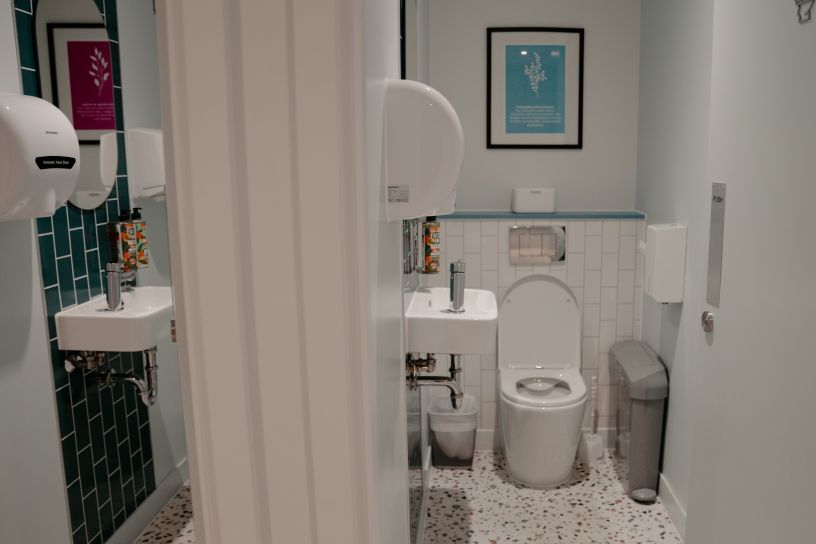
Their updated policy sets out how toilets at Friends House in London and Swarthmoor Hall in Cumbria will be used following recent legal developments.
The policy, agreed by Britain Yearly Meeting (BYM) trustees and senior staff members at Quakers in Britain, comes in response to the Supreme Court judgment in For Women Scotland v The Scottish Ministers and subsequent updates to Equality and Human Rights Commission guidance.
[QUOTE-START]
This is what Love requires of us
- BYM trustees
[QUOTE-END]
Quakers say the changes in legal interpretation do not alter their commitment at Yearly Meeting in 2021 to welcome and affirm trans and non-binary people in Quaker communities.
The policy statement notes that the commitment remains the "overarching expression" of Quaker discernment on this matter and continues to guide decisions about facilities and inclusion.
The statement sets out principles that inform the approach to toilets on Quakers in Britain's premises.
These include respecting the dignity and lived experience of every person, ensuring compliance with the Equality Act, protecting disabled people's access to accessible facilities, and maintaining robust approaches to tackling harassment or discrimination.
The policy also states that Quakers will not require trans, non-binary or intersex people to disclose or prove their status in circumstances where such evidence is not demanded of others.
Under the arrangements confirmed by trustees, toilet facilities labelled with a 'female' sign remain available to cisgender women, trans women, and others for whom those facilities best align with their lived experience.
Similarly, facilities labelled with a 'male' sign remain available to cisgender men, trans men, and others for whom those facilities best align with their lived experience.
Self-contained single sex facilities, available to all users, are also available across the estate for anyone who is not comfortable in a trans-inclusive segregated space.
Trustees said the approach was a proportionate means of achieving several legitimate aims. It seeks to meet the needs of all building users while preventing trans people from having to 'out' themselves to access toilet facilities.
They added that the arrangements have operated successfully for the past 15 months.
BYM trustees have committed to refurbishing their facilities over time so that they provide self-contained facilities for all users wherever possible.
They expect to provide headline guidance and learning opportunities for trustees of other Quaker organisations, so that they can make their own decisions about facilities in Quaker premises across the country.
Trustees stressed that inclusion "should not be just about toilets" and pledged to continue working to make Quaker spaces more welcoming and accessible. "This is what Love requires of us," they said.