
Landmark study challenges Quakers on enslavement
Quakers in Britain are being challenged to rethink their history in a major new theological study examining how their faith helped justify enslavement.
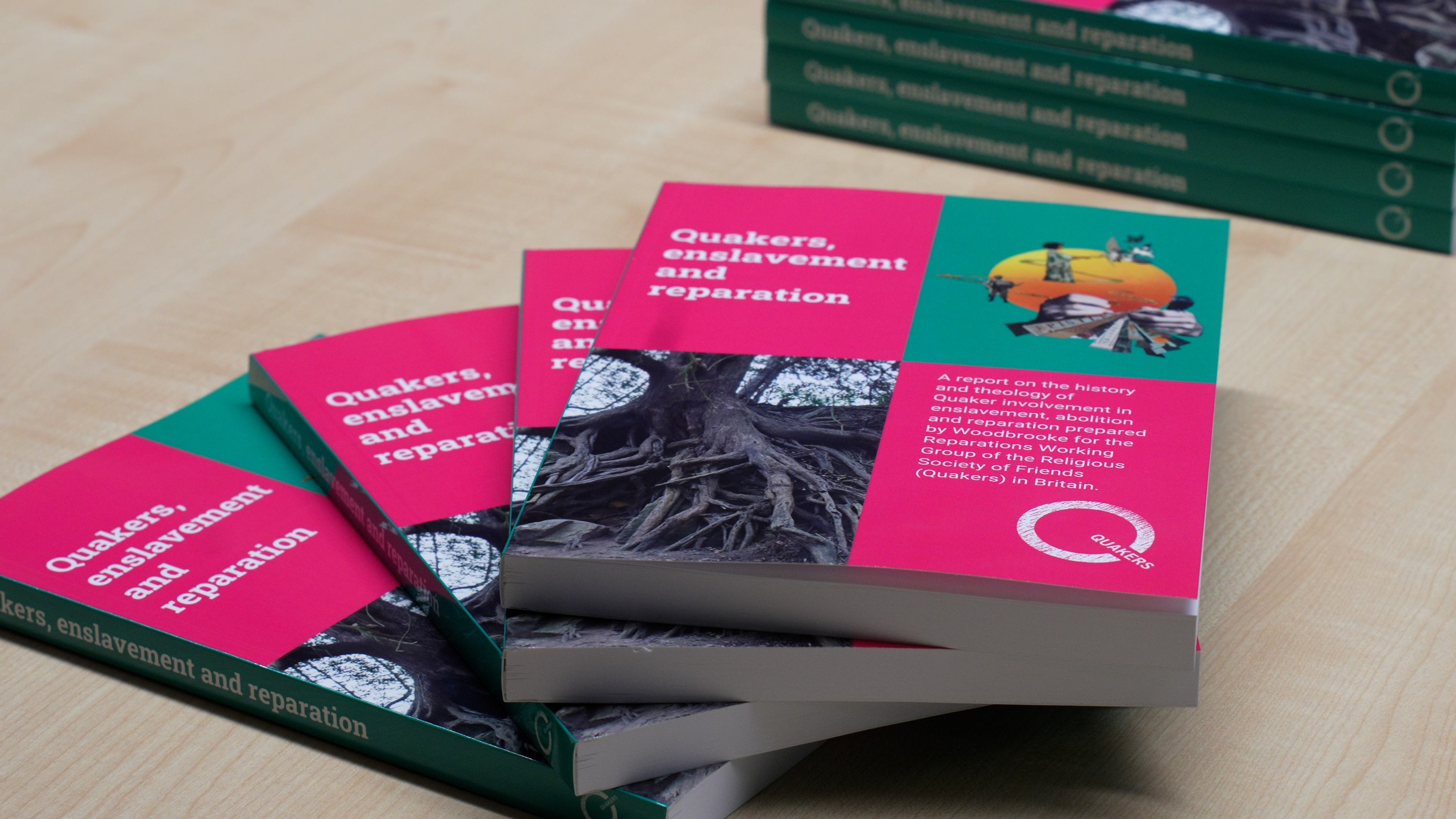
The report, Examining our past to take action for the future: Quakers, enslavement and reparation, also looks at how theology can guide action to repair its lasting harm.
The report was launched at the Quaker reparation working group's conference Truth and repair: our Quaker journey towards justice at Quaker central offices, Friends House, in London on Friday 23 October.
Prepared by Quaker learning and research organisation Woodbrooke at the request of the reparation working group, the report examines the history and theology of Quaker involvement in enslavement, abolition and colonialism.
Its theological analysis explores how early Quaker leaders, including George Fox, used Christian teaching to justify enslavement rather than oppose it.
Report authors Lily Chadwick and Ben Wood, alongside Ben Pink Dandelion, discussed how these ideas shaped Quaker communities and how a collective rejection of enslavement developed only gradually.
Wood said: "Reparations is many things, and it's open ended. There cannot be a standard finish point where everyone says right, repair is done. Repair is something you have to renew again and again."
He emphasised the importance of listening and allowing others to come to you.
Quakers brought together
Friday's conference brought together Quakers to discuss their history, and what it means for the faith community today.
Historian Hakim Adi examined the exploitation of African and Caribbean labour, from enslavement and colonial rule to continuing inequalities in the global economy.
Other sessions presented research into Quaker involvement in enslavement and plantation ownership in Bristol, Lancaster, Sheffield and central England.
Teresa Parker explored how British Quakers helped establish West Jersey in North America through the dispossession of the Lenape people.
The work is part of a wider commitment by Quakers in Britain to address the legacy of enslavement and colonialism.
At Britain Yearly Meeting in 2022, Quakers agreed to explore their historical links to enslavement and consider what reparation might look like today.